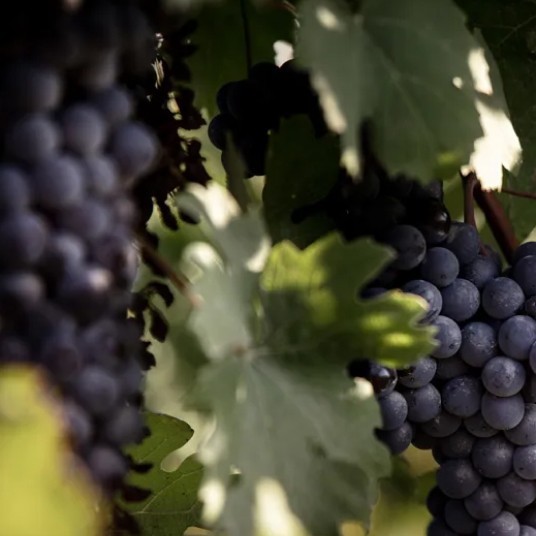
HUMANITY'S ADVENTURE OF THOUSAND YEARS
Wine History
The Adventure of Humanity for Thousands of Years
Wine is a beverage that has been produced, consumed and enjoyed by humans for thousands of years. In the depths of history, from the birth of civilizations to the present, wine has played an important role for people. Wine is a beverage with many social, cultural, economic and religious aspects. Here is a journey through the history of wine:
Ancient Period
Origins of Wine
The origins of wine go back to ancient times. Between 6000-4000 BC, wine was produced in today's Georgia, Iran, Armenia and the Eastern Anatolian region of Turkey. The production of wine was carried out by planting vineyards and pressing the grapes to ferment. During this period, wine was not only a beverage product, but also played an important role in religious and ceremonial rituals.
Ancient Egypt
Wine and Divine Gods
Ancient Egypt is one of the early stages of wine culture. Wine was associated with divine gods in Egypt and was an integral part of daily life. Wine was used in Egypt for ceremonial and religious rituals, for the treatment of diseases, and for everyday pleasures. At the same time, the Egyptians exported wine and used it as a commercial activity.
Ancient Greece and Rome
Development of Wine
Ancient Greek and Roman times were a major turning point for wine production and consumption. The Greeks and Romans considered wine an indispensable part of their daily lives. Wine played an important role in social events, symbols and religious rituals. Ancient Greek philosophers associated wine with the concepts of beauty, pleasure and pleasure.
Middle Ages
Wine and Monasteries
In the Middle Ages, wine production and consumption was continued by monasteries. Monasteries played a huge role in wine production and were the times when winemaking flourished. While the monasteries met their own needs by growing vineyards and producing wine, they also gained economic power by engaging in commercial activities. In medieval Europe, wine was considered a protected beverage by the nobility and the church, and was consumed by the palaces, the nobility, and the church.
New World Discoveries and the Revolution in Winemaking
New World discoveries revolutionized wine production. From the 15th century onwards, as European explorers reached different geographies such as the Americas, Africa, Asia and Australia, local grape varieties were discovered and new opportunities in wine production emerged. In the New World, especially in the Americas, wine production flourished, and many grape varieties popular around the world today were discovered here. During this period, the trade and production of wine experienced a huge increase around the world, and wine culture spread further.
Modern Wine Industry and Global Wine Consumption
With the industrial revolution, wine production processes and technologies have undergone a great transformation. Grape growing, harvesting and production methods have been modernized, storage and transportation technologies have improved, and wine production has become more efficient. From the 19th century onwards, the modern wine industry developed around the world and global wine consumption increased. Wine is no longer just a beverage belonging to the aristocracy and the church, it has also begun to be consumed by large sections of the people.
Today, wine is a popular beverage around the world and is celebrated differently in different cultures. Wine plays an important role in many areas such as gastronomy, tourism, economy and social events. Wine festivals, tasting events, many events related to wine tourism and wine culture are organized.
As a result, the history of wine occupies an important place in the adventure of humanity for thousands of years. The wine culture, which extends from ancient times to the present, has developed and changed depending on many historical, social, cultural and economic factors. Wine has had an important place in people's social interactions, religious and cultural rituals, gastronomy and tourism. The development of wine production techniques and trade contributed to the spread of wine and the formation of different wine cultures in different regions.
However, developments in the wine industry and the increase in global demand have brought some challenges. Increasing trade and consumption has also brought issues such as environmental sustainability, ethical production and consumption, quality control, branding and copyrights to the agenda. The wine industry has developed various regulations, standards and certifications to meet these challenges.
As a result, the history of wine has a rich and complex past that occupies an important place in human history. The evolution of this beverage, which has survived from ancient times to the present, has been shaped by the interaction of cultural, social and economic factors. Today, wine culture is still widely celebrated around the world and The wine industry plays an important role in terms of economy, tourism and cultural activities.